The Future of AI in Architectural Visualization
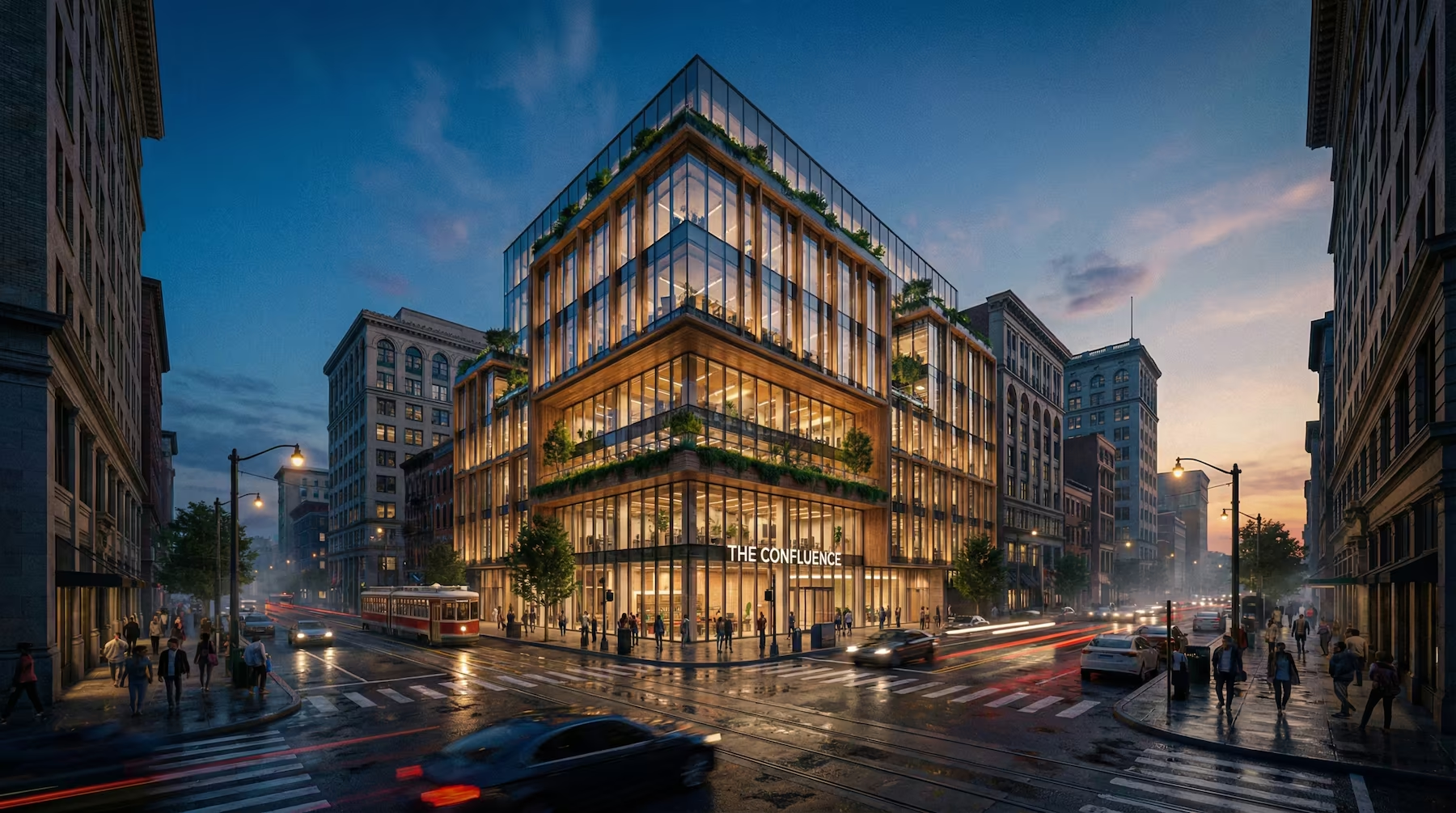
The future of AI in architectural visualization represents a revolutionary shift that will fundamentally transform how design professionals create, iterate, and present their work. As artificial intelligence technology continues advancing rapidly, it promises unprecedented opportunities for creativity, efficiency, and photorealistic rendering while introducing new challenges that require strategic navigation. In an industry that thrives on visual impact, staying ahead of these technological curves is essential. This post explores key trends shaping the future of AI in architectural visualization and their impact on the industry, helping architects and designers prepare for a landscape where human creativity and machine intelligence converge.
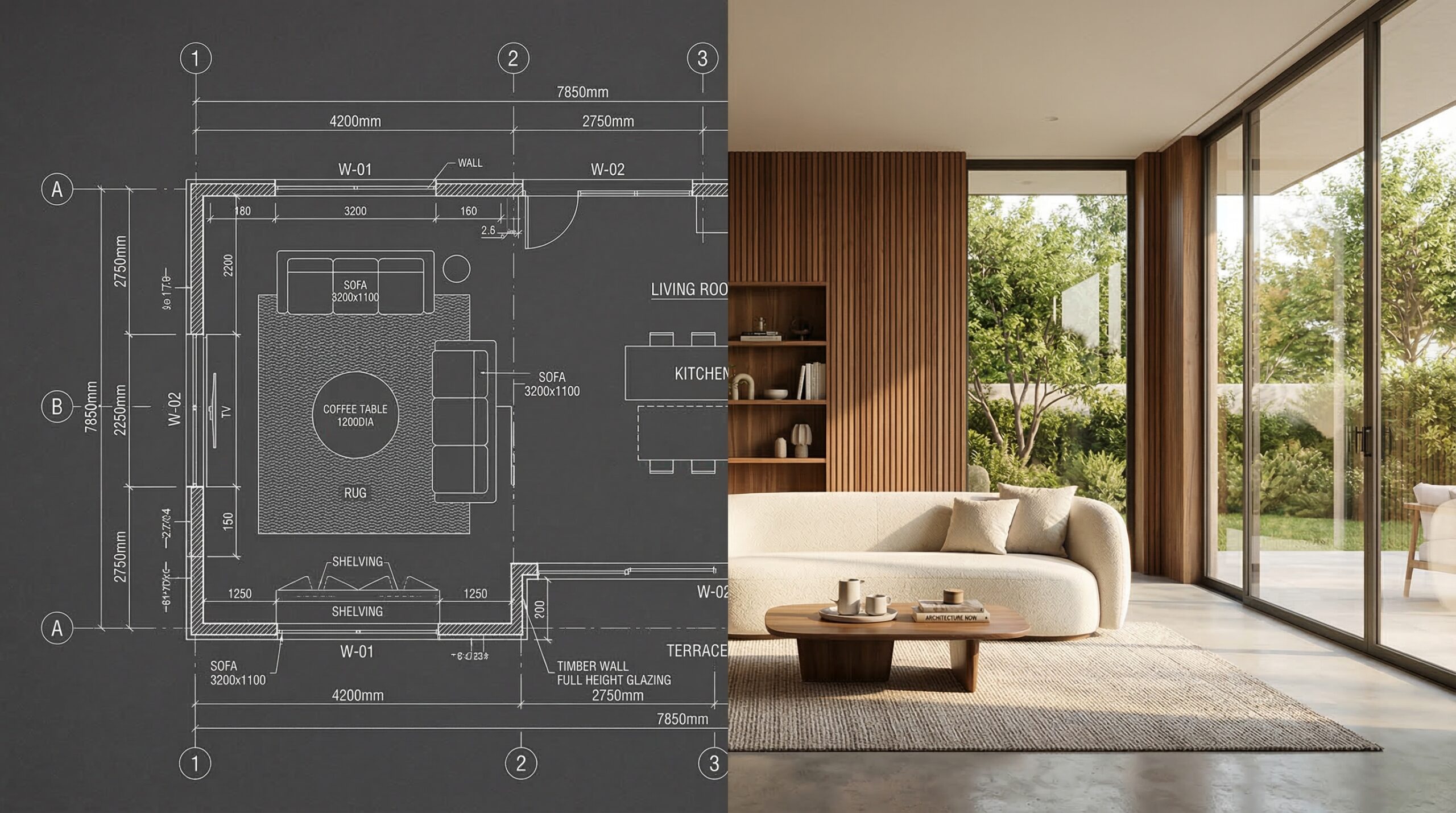
5 Game-Changing Trends
These developments in the future of AI in architectural visualization will democratize high-quality rendering capabilities while raising new questions about maintaining artistic authenticity.

1. Intelligent Automation: AI will automate repetitive rendering tasks, material application, and lighting setups, allowing artists to focus on creative vision and client collaboration rather than technical execution.
2. Hyper-Realistic Materials: Advanced neural networks will achieve unprecedented accuracy in simulating complex textures, weathering effects, and surface properties that currently require extensive manual refinement.
3. Real-Time Adaptation: AI will enable instant visualization updates during client meetings, allowing architects to explore multiple design concepts simultaneously while maintaining photorealistic quality.
Strategic Preparation
“The future of AI in architectural visualization lies not in replacing human creativity, but in amplifying our ability to communicate design intent with unprecedented clarity and emotional impact.” – Leading AI Research Director
- Invest in continuous AI education programs
- Develop hybrid workflows (Human + AI)
- Establish ethical guidelines for AI usage
- Build strategic tech partnerships
- Create robust quality assurance processes
- Experiment with emerging AI tools early
- Focus on predictive design intelligence
Immersive Integration: The convergence of AI with Virtual Reality (VR) and Augmented Reality (AR) will create fully immersive design experiences where clients can walk through and modify spaces before construction begins, marking a major milestone in the future of AI in architectural visualization.
Competitive Advantages
Forward-thinking firms that strategically embrace the future of AI in architectural visualization will gain significant competitive advantages through enhanced project efficiency, improved client satisfaction, and expanded creative possibilities. Early adopters can establish market leadership by demonstrating superior visualization capabilities while maintaining the human expertise that clients value most.
For comprehensive insights, explore the ArchDaily AI Innovation Hub. Discover how Render First’s visualization portfolio is already integrating advanced AI capabilities.
Partner for Excellence: The future of AI in architectural visualization is arriving rapidly. Contact Render First today to learn how our innovative approach combines cutting-edge AI technologies with proven artistic expertise, ensuring your projects benefit from both technological advancement and creative excellence.