
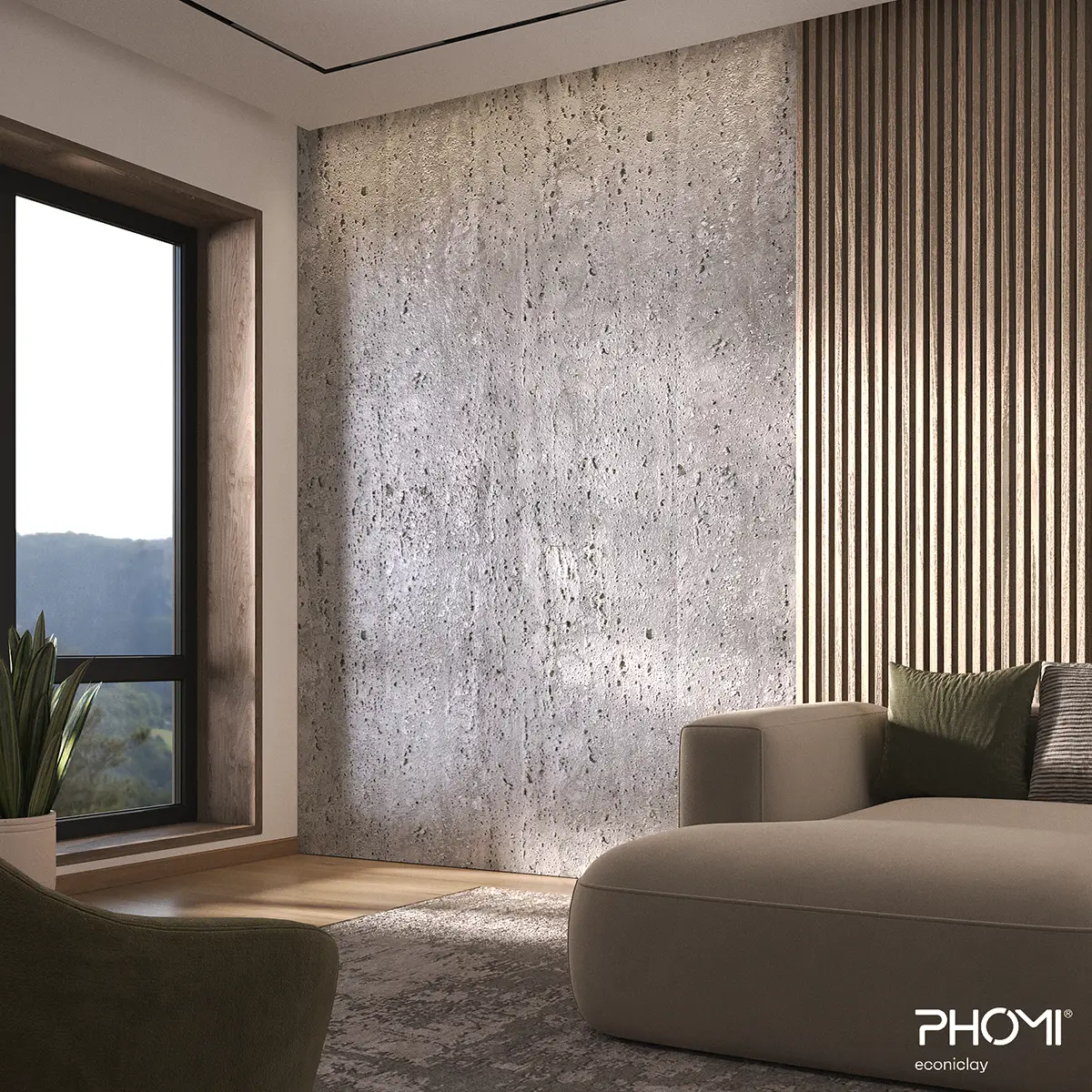
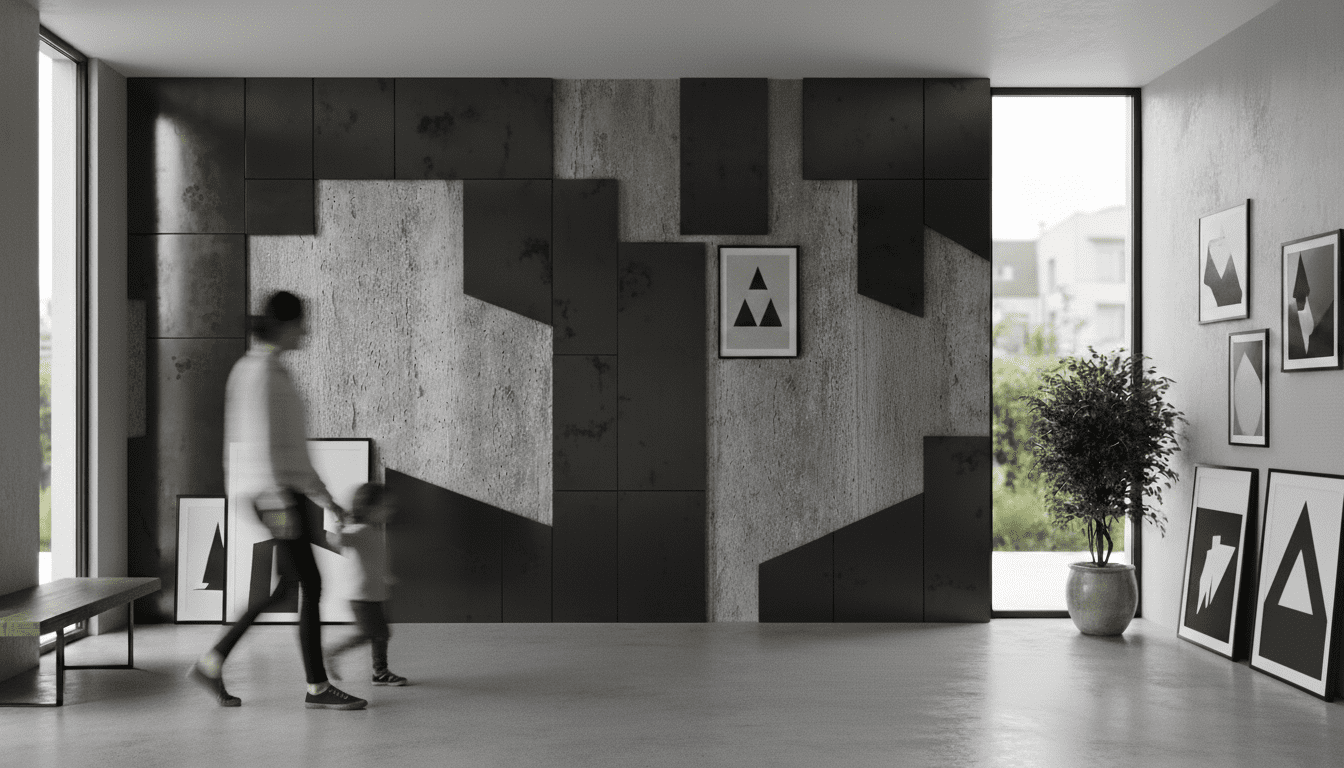
Bad textures kill good design. The challenge with Phomi’s flexible stone was that stock scans often looked flat and repetitive. We focused heavily on raw texture cleanup and AI upscaling to restore the micro-surface details. By rebuilding the material maps in 3ds Max, we ensured the tiles looked indistinguishable from real stone, even in extreme close-ups.
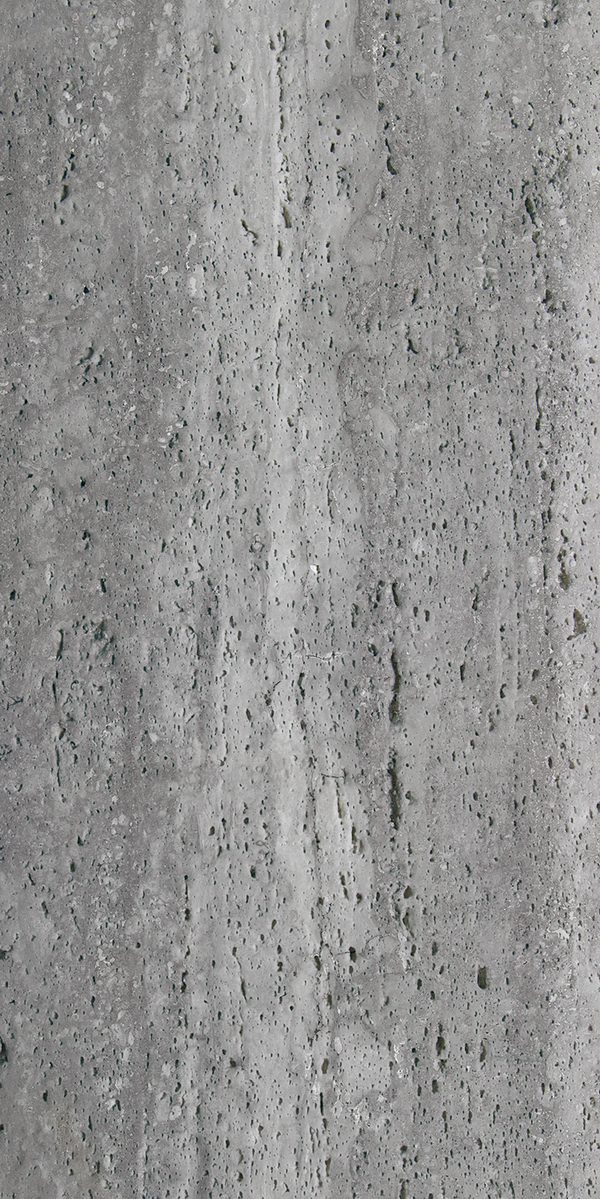
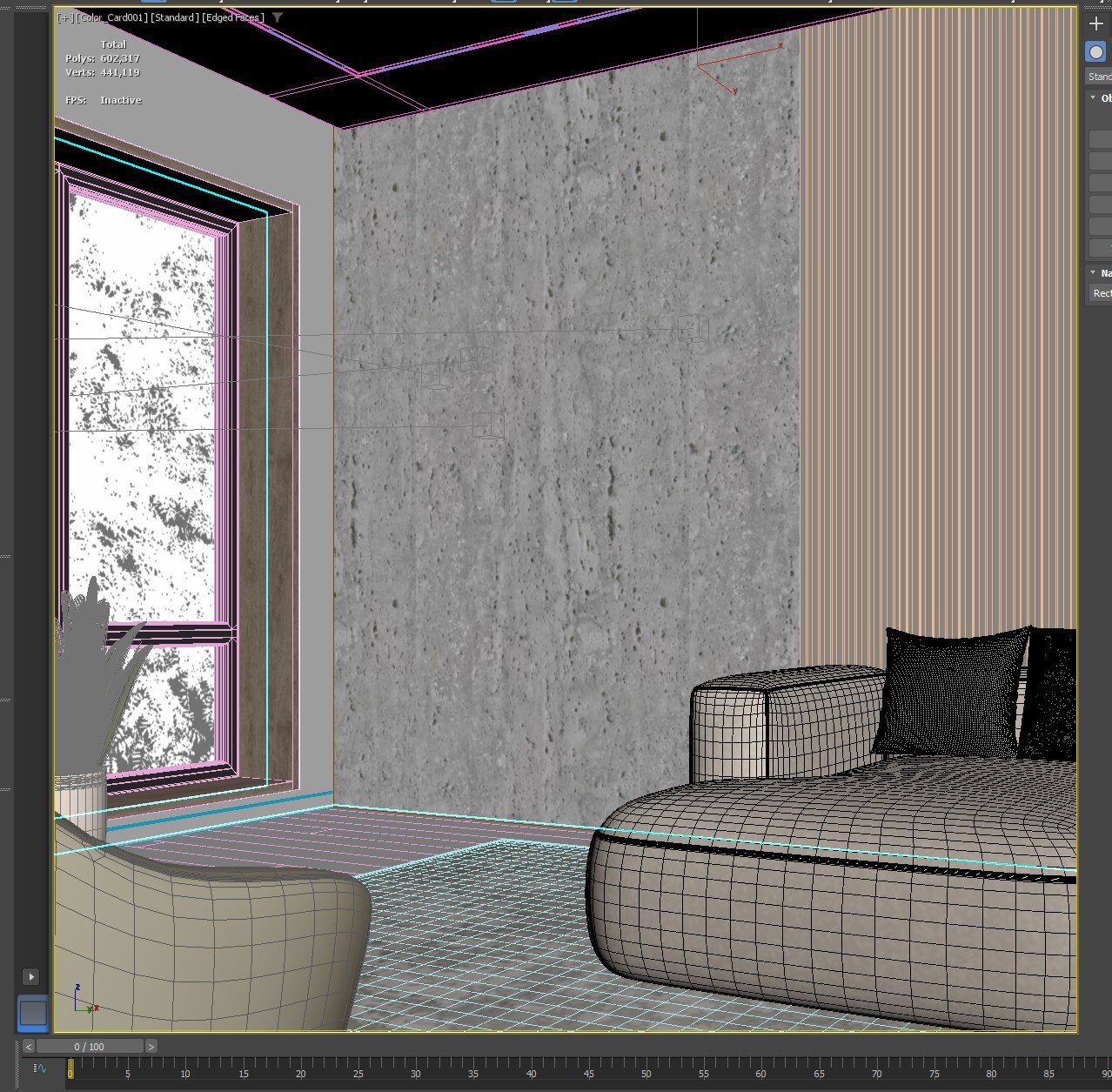
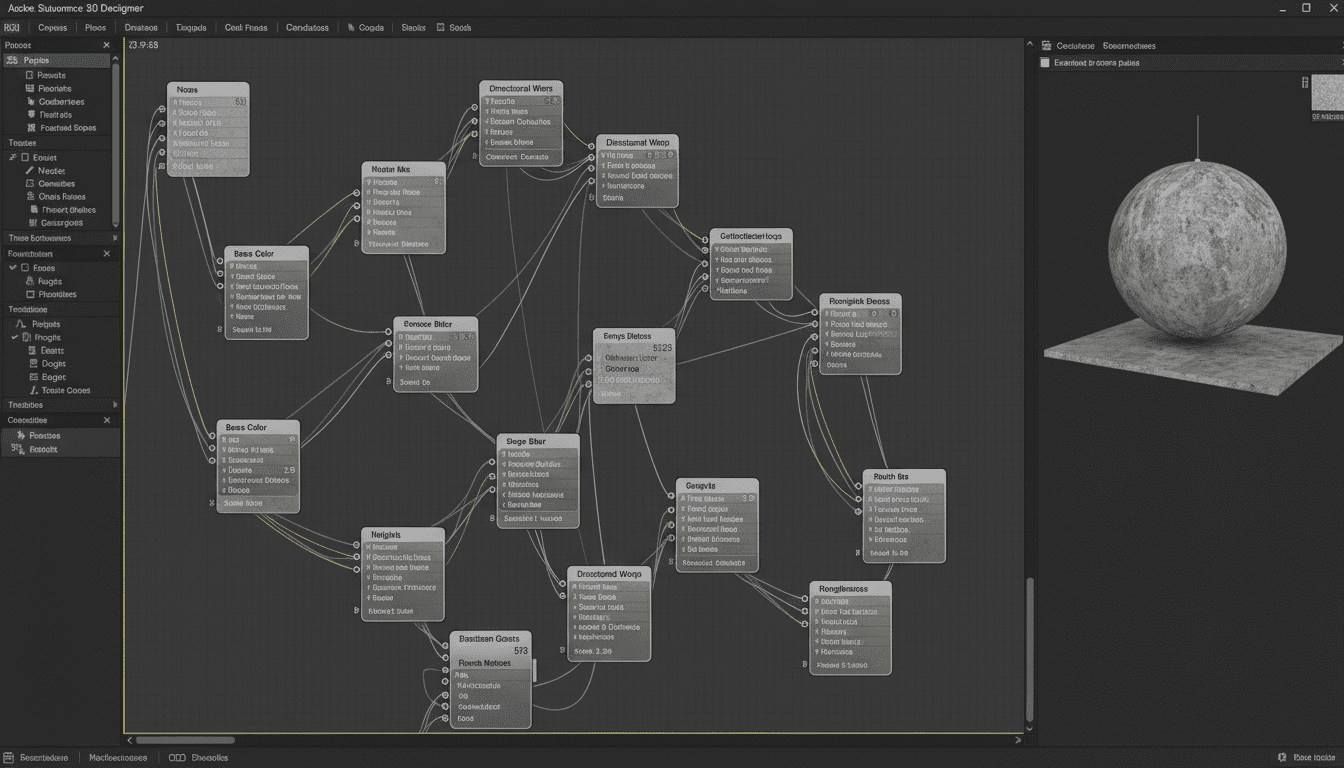
If a tile render looks fake, it is usually the map, not the light. We prioritized high-fidelity normal and displacement maps to capture the tactile nature of the flexible stone. This ensures that light interacts naturally with the surface bumps, creating depth that simple photos cannot achieve.
Scale is everything in product visualization. We utilized precise UV mapping techniques to eliminate visible seams and repetitive tiling patterns. This allowed us to wrap the flexible stone around complex curved surfaces in the 3D model, demonstrating the product’s unique selling point, its flexibility, without physical installation.