The Power of AI in Architectural Visualization
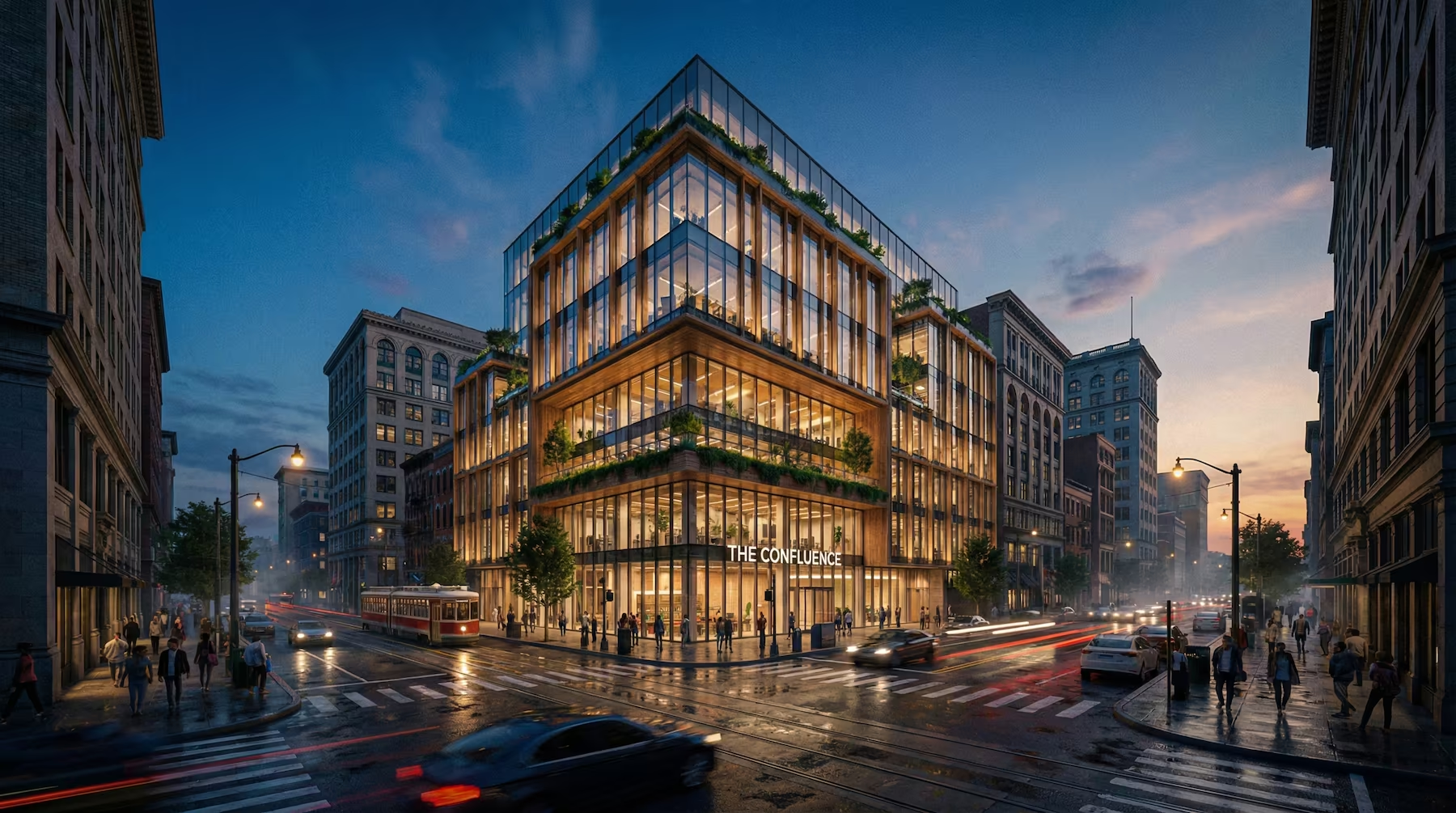
The power of AI in architectural visualization is fundamentally reshaping how developers and architects conceptualize and deliver 3D environments. In an industry where deadlines are becoming increasingly aggressive and client expectations for photorealism are at an all-time high, leveraging artificial intelligence is no longer an option: it is a necessity. By combining machine learning algorithms with high-performance computing, the traditional bottlenecks of 3D production are being systematically dismantled. I have observed firsthand how these tools allow for a level of creative exploration that was previously impossible within standard project timelines. The true power of AI in architectural visualization lies in its ability to handle the heavy lifting of technical execution, which frees the artist to focus entirely on the artistic direction and storytelling of the space. For real estate developers, this translates directly into faster zoning approvals, easier unit presales, and a stronger pitch for institutional funding. As we move further into 2026, firms that fail to integrate these intelligent workflows risk falling behind in a market that demands both extreme speed and mathematically perfect precision.
7 Ways AI Transforms the ArchViz Pipeline
Artificial intelligence is moving beyond simple automation and becoming a collaborative partner in the design process. Here are the seven specific ways it is changing the real estate development landscape today:
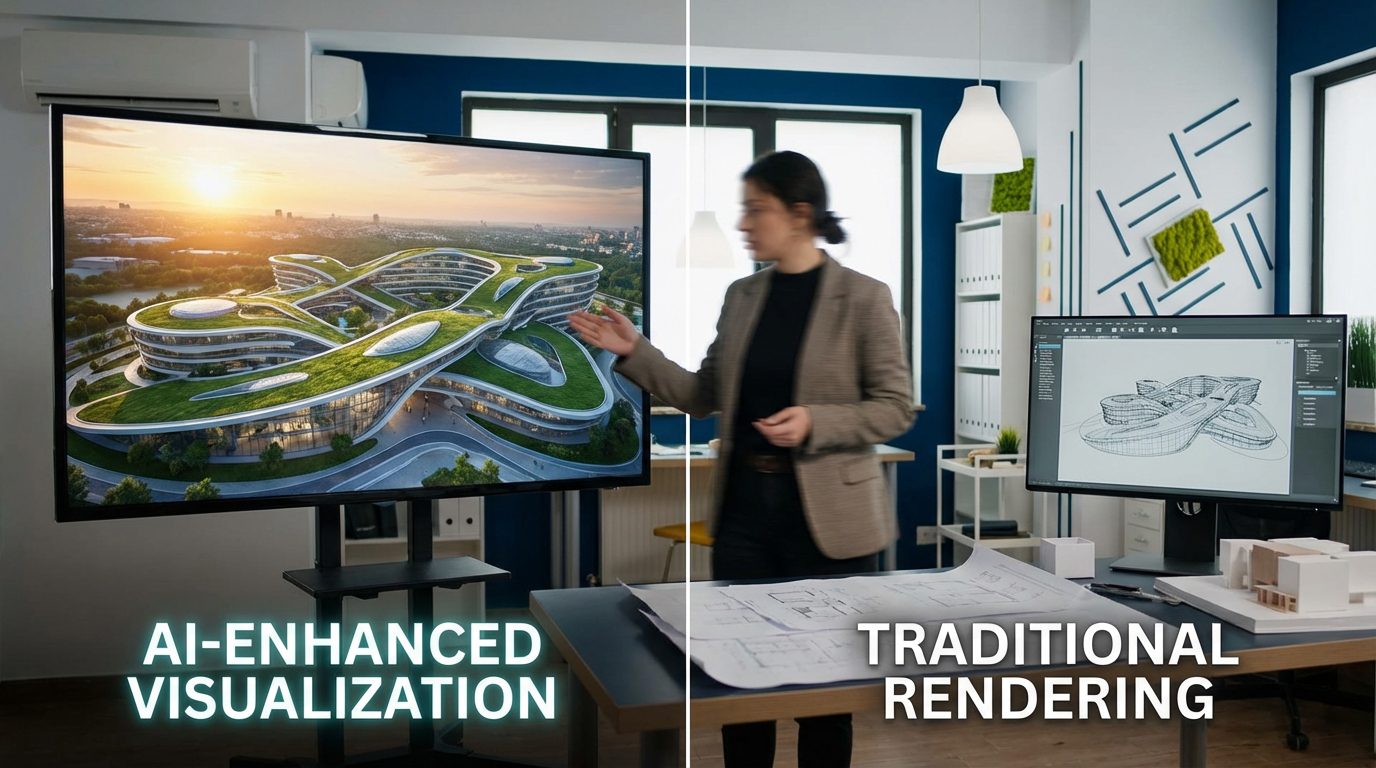
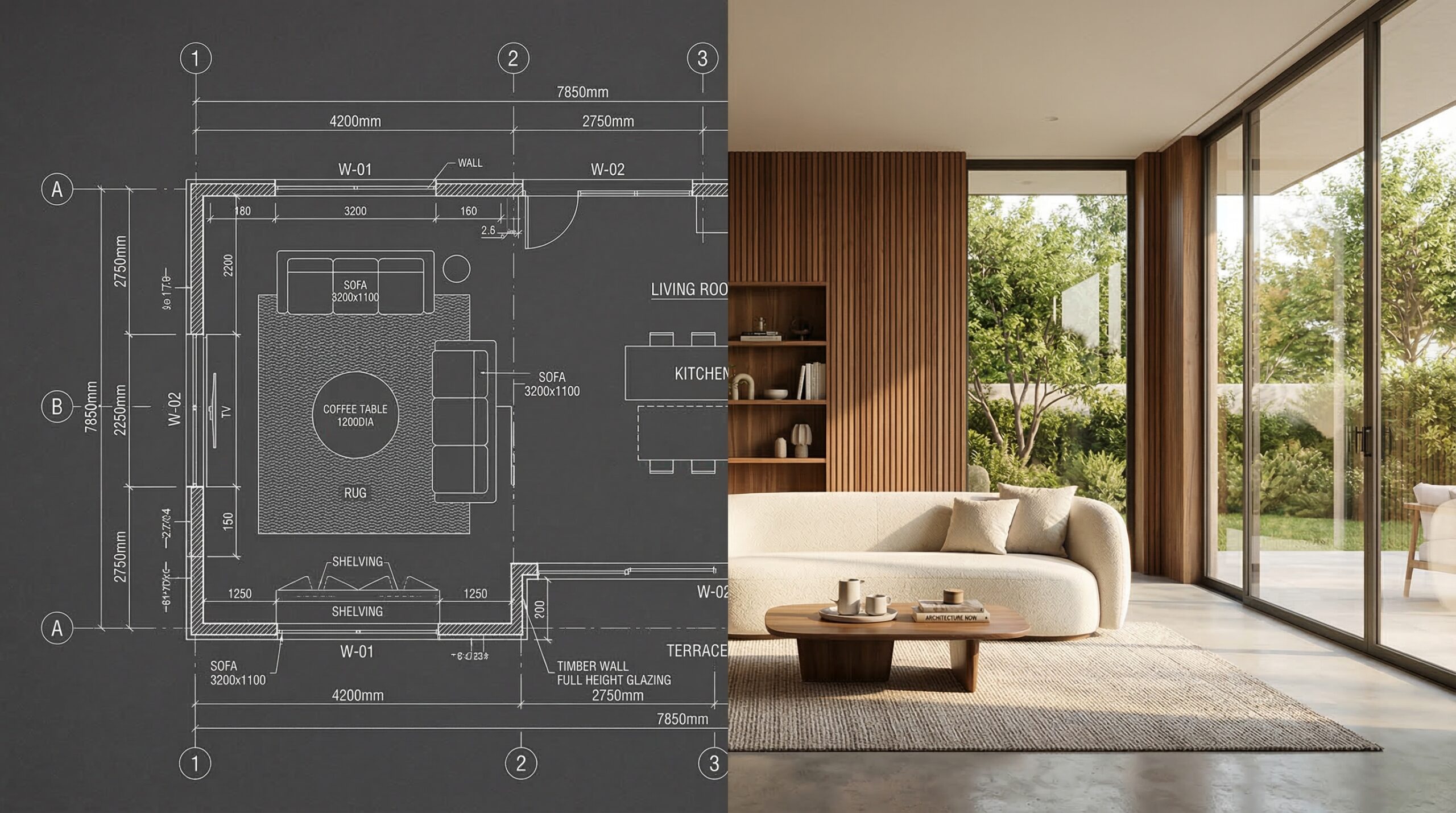
1. Intelligent 3D Modeling: Generative AI can now interpret 2D sketches and instantly produce complex 3D geometry. This cuts manual modeling time by more than half, allowing for rapid massing studies and structural validations early in the process. This means your architectural team can test multiple variations without burning through the project budget.
2. Neural Material Intelligence: Creating believable textures requires a deep understanding of physics. AI-driven systems can now replicate nuanced weathering effects by analyzing real-world light response data without manual map tweaking. High-end bespoke cabinetry and premium finishes can be accurately represented to build immediate trust with your prospective buyers.
3. Neural Rendering and Path Tracing: The power of AI in architectural visualization is most visible in render speeds. AI-optimized ray tracing produces realistic lighting scenarios in a fraction of the time required by legacy CPU engines. This speed is critical when you need to update a pitch deck overnight for an early morning investor meeting.
4. Real-Time Design Iteration: During live stakeholder charrettes, AI allows for the immediate swapping of materials and lighting configurations with photorealistic accuracy. When stakeholders can see exactly how a high-density residential lobby will look with different marble options, they make confident decisions on the spot, resulting in fewer revision rounds.
Strategic Implementation and Technical Precision
“The integration of AI is a force multiplier for human creativity (it allows us to deliver high-end cinematic results that were once considered cost-prohibitive for most development budgets).”
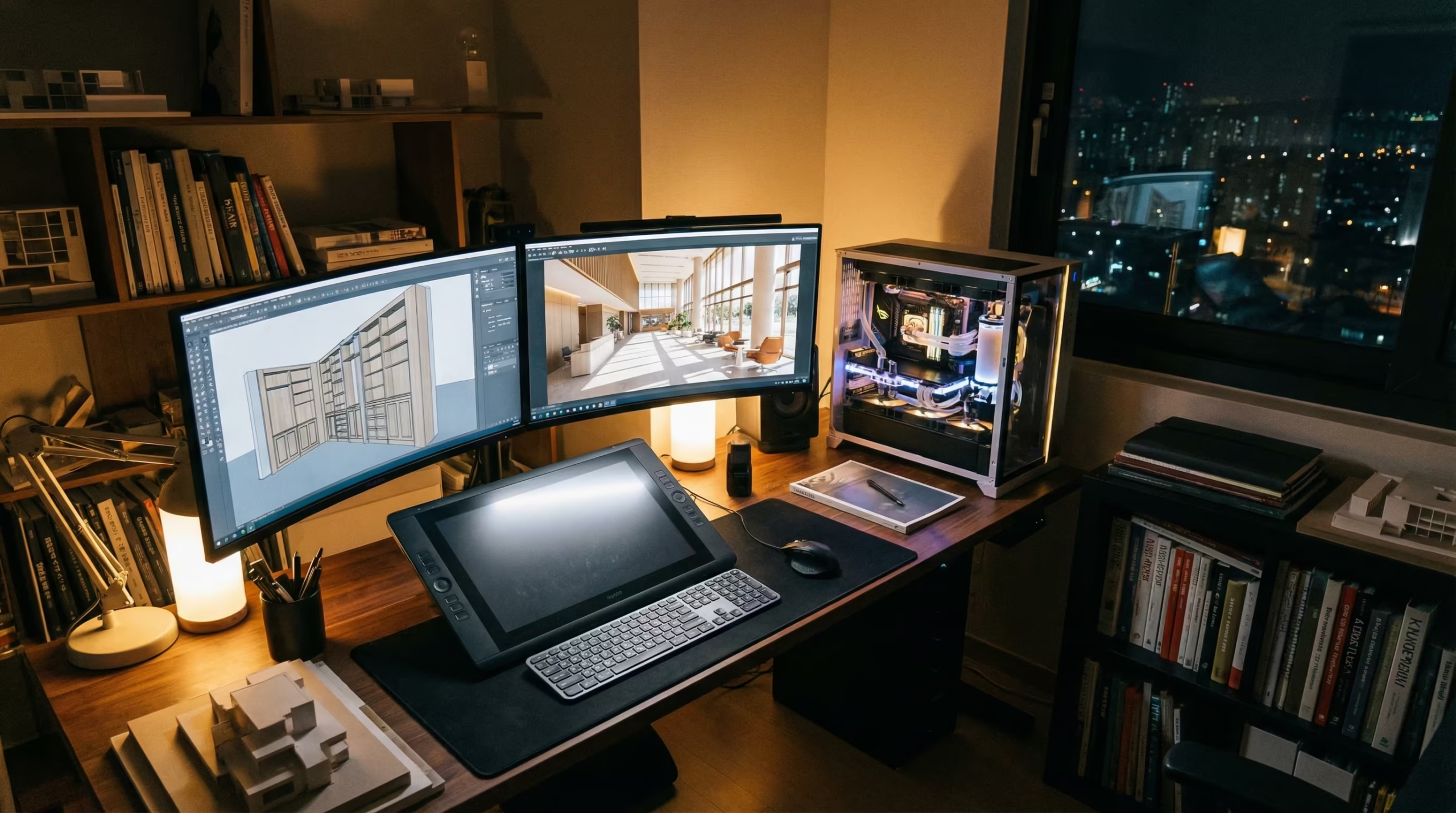
To stay competitive in the global market, I leverage a high-performance PC farm and a specialized software stack including Corona Renderer and Chaos Vantage. This technical foundation, combined with AI-driven denoising and upscaling, ensures that every render is delivered with absolute clarity. The benefits of this modern approach extend across the entire production lifecycle:
- 5. Automated Environment Lighting: AI algorithms can generate custom HDRIs based on the specific geographic coordinates required for your project, which is essential for passing strict city zoning boards.
- 6. Advanced Post-Production: Tools in DaVinci Resolve now use AI for automatic color matching and video stabilization to create the smooth cinematic walkthroughs needed to drive off-plan presales.
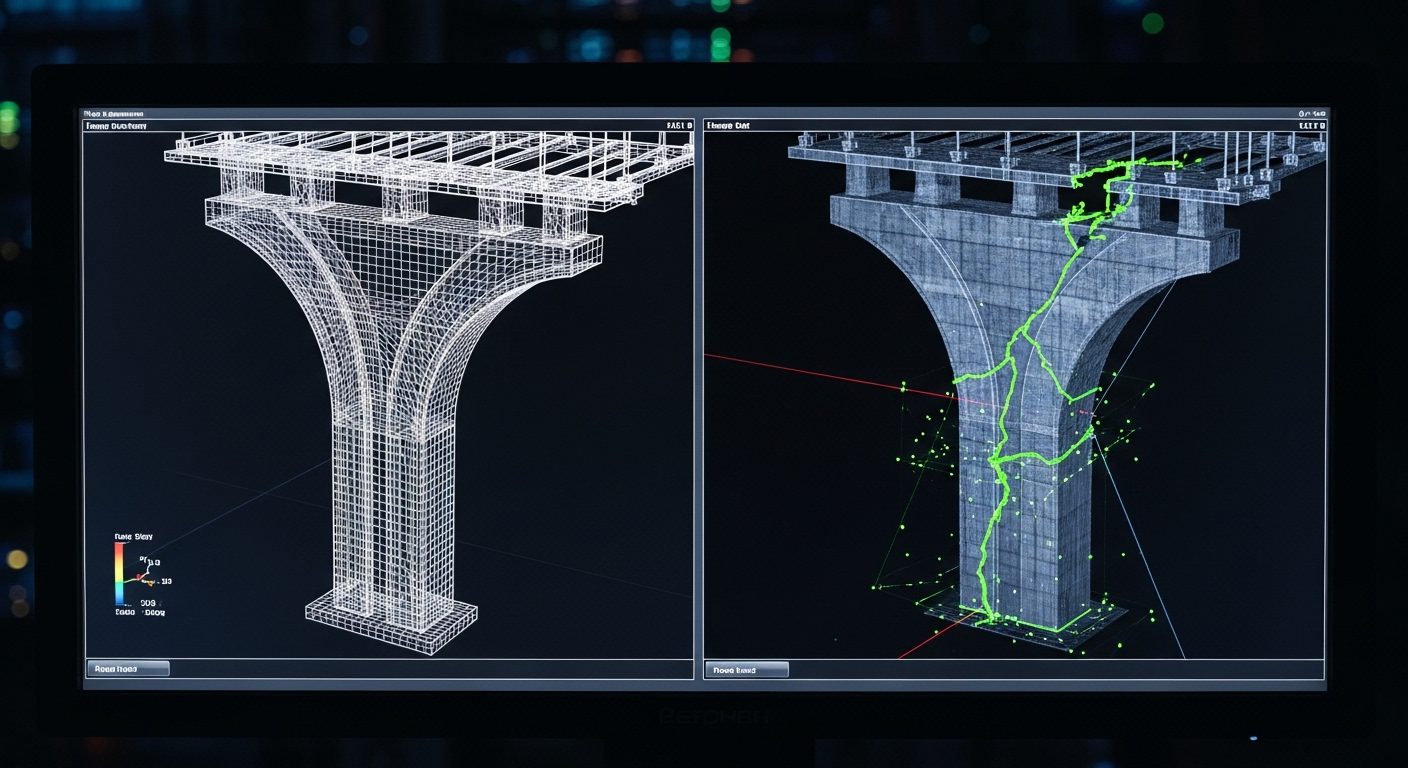
- 7. Predictive Quality Assurance: AI can scan 3D scenes for structural errors before the final render begins. Spotting a structural clash in the virtual space prevents expensive material change orders on the physical job site.
- Collaborative Connectivity: Shared AI pipelines allow for seamless versioning and asset management across different time zones and global teams.
Conclusion Statement: Without high quality 3D rendering or cinematic animations, you risk leaving money on the table. Upgrading your visual presentation ensures your exact vision is communicated with flawless precision.
Stop Compromising Your Vision. Demand Precision.
Whether you are pitching a luxury commercial build or a bespoke custom home, the ability to showcase a mathematically perfect and photorealistic representation of the space is your ultimate competitive advantage. It secures funding, passes city planning boards, and guarantees client satisfaction without the headache. The power of AI in architectural visualization is what allows me to deliver these results on schedules that traditional firms simply cannot match.
Bring Your Blueprints to Life the Right Way: Stop risking your most important projects on slow turnaround times. Contact Render First today to transform your CAD files into premium and photoreal 3D assets. Because I am located twelve hours ahead of the US East Coast, you can send your revisions at the end of your workday and wake up to perfect renders the next morning. Embracing this workflow is the most effective way to protect your design intent and secure the future of your development.
Are you ready to see the future of your project in your Google Drive by 9 AM tomorrow morning? Every single project is unique. Reach out directly to discuss your specific visualization needs, timelines, and architectural requirements today.